An entrance is an efficient way to understand an outfit. There is a person, a striking silhouette and a moment designed to be seen. A photograph makes the judgment feel immediate: successful, awkward, beautiful, excessive. But clothing has more dimensions than the front-facing image that introduces it. The interesting questions often begin after the quick verdict has already been posted.
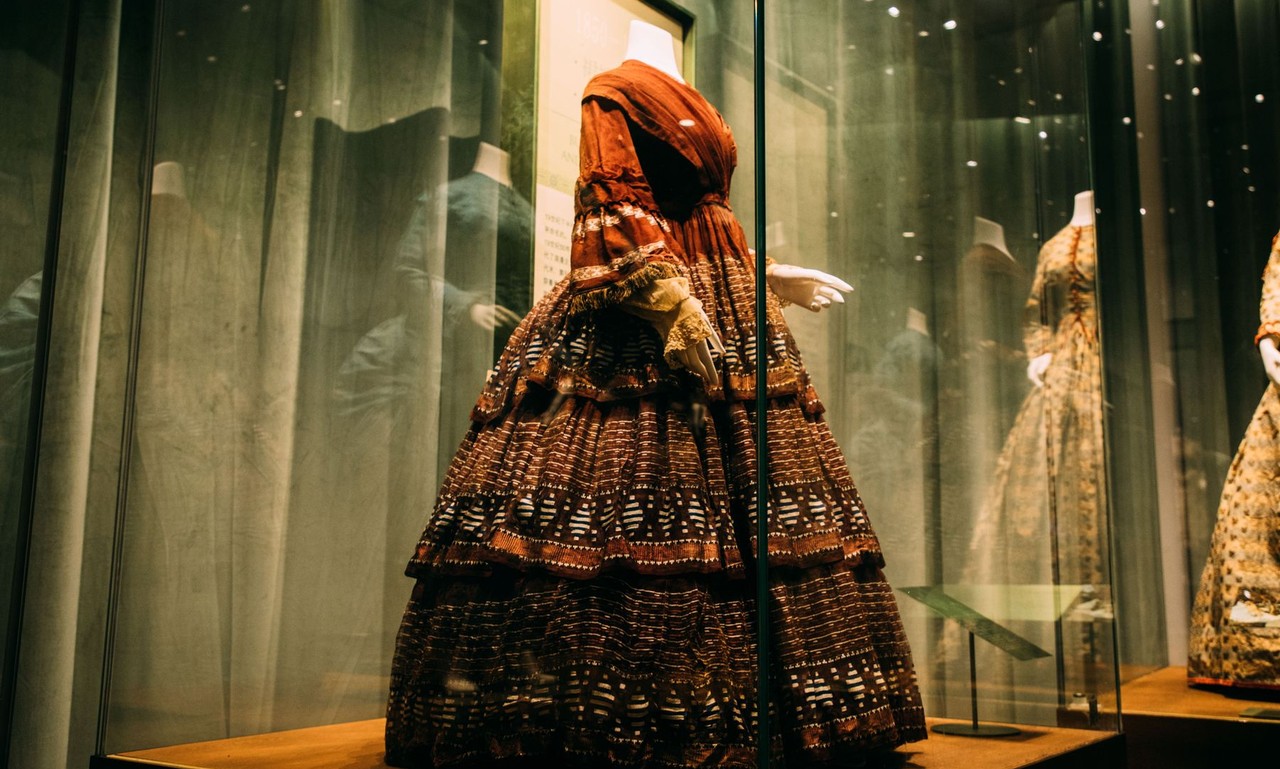
The Met's Costume Art exhibition pairs garments with artworks to examine relationships between clothing and the body. That curatorial premise offers a useful way to look at fashion outside a museum too. A garment is not only a surface carrying color or ornament. It organizes how a body appears, moves and occupies space, and those choices can become visible when we slow down enough to notice them.
Take a sleeve. Its volume can make a shoulder appear broader or turn an ordinary gesture into a dramatic shape. Its attachment can permit easy movement or constrain it. A photograph may communicate the first effect while concealing the second. Neither is irrelevant. Together they reveal a design negotiating between an image and a person who has to live, even briefly, inside that image.
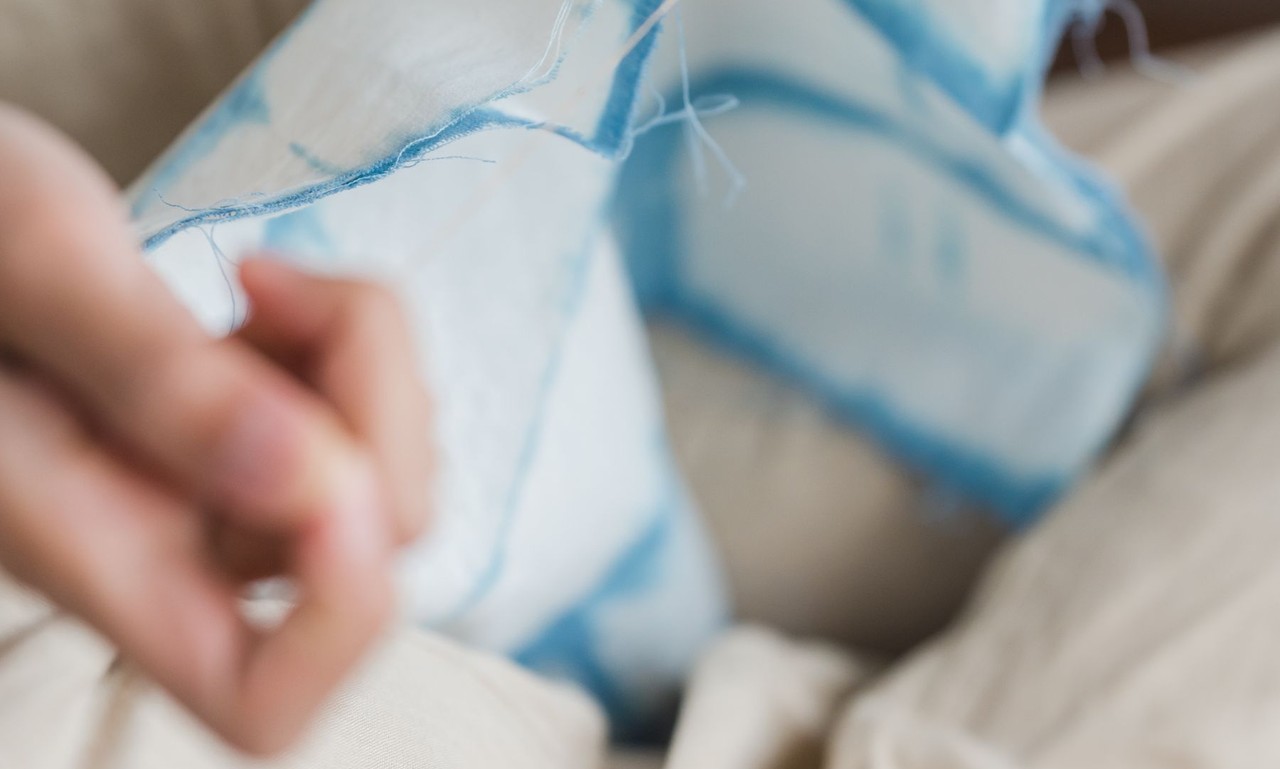
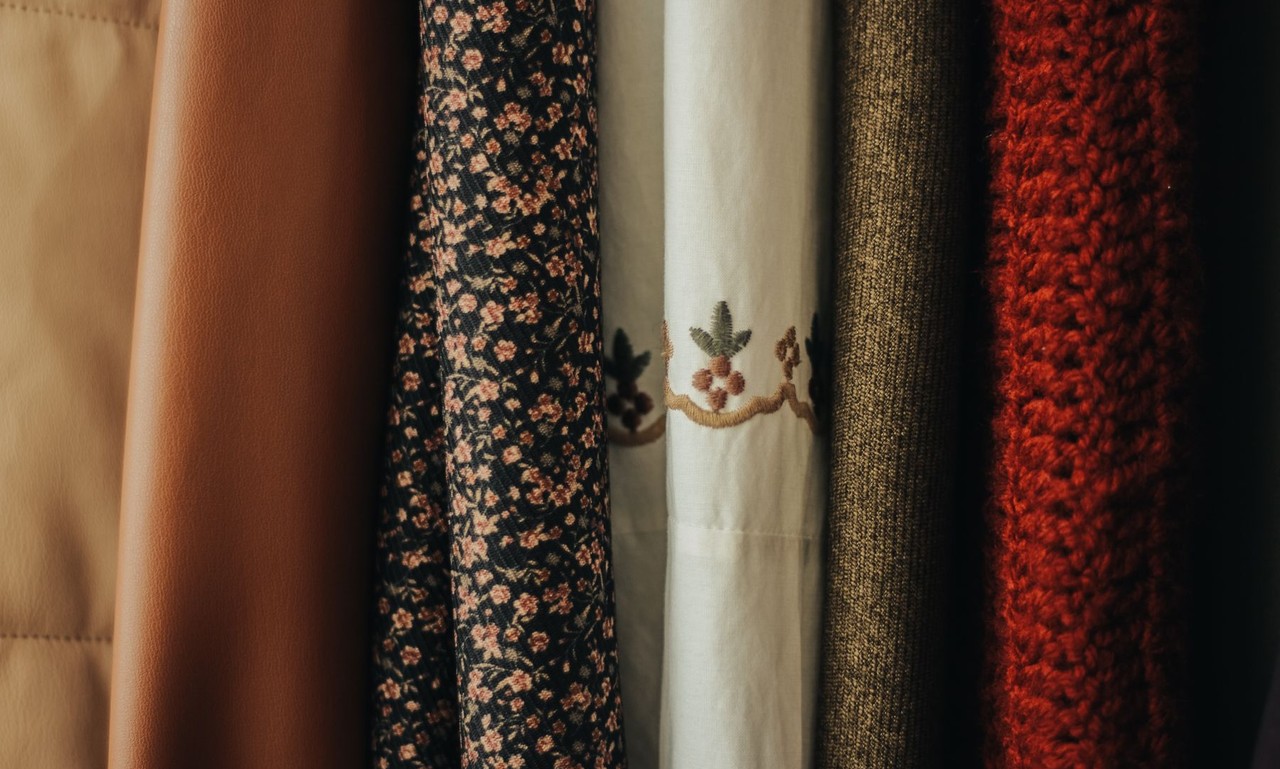
Seams offer another route into the work. They can disappear into a garment or become lines that direct attention. A fastening can be purely practical, deliberately conspicuous or both. The weight of a fabric can let a skirt hold its shape or make it settle close to the body. You do not need to name every technique correctly to recognize that these are decisions rather than decorative accidents.
This way of looking makes criticism more generous without making it less exacting. Instead of declaring that a dress is simply too much, ask what its excess achieves. Does the silhouette clarify an idea? Does the detail hold up under close attention? Does the construction support the effect, or does the wearer seem to be negotiating with a design that has forgotten its human component?
It also makes ordinary clothing available for serious attention. A work shirt, a uniform or a familiar pair of trousers can contain thoughtful solutions to movement, storage and durability. Spectacle is only one design problem. A pocket placed where a hand naturally falls may be less photogenic than an enormous train, but it demonstrates a different and equally intelligible kind of care.
Museum displays have limits, of course. A still mannequin cannot recreate every aspect of wearing, and exhibition choices shape the story we encounter. That is a reason to look critically at the presentation as well as the garment. Ask what a label explains, what the display leaves uncertain and what you would need to see in motion to understand the piece more fully.
The entrance photograph still has its pleasures. Enjoy the color, the audacity and the sheer theater of someone arriving in something extraordinary. Then linger. Look at the back, the fastening, the fabric and the space around the body. Fashion becomes a richer subject when our attention lasts longer than the moment it was designed to capture.
Sources & further reading
Analysis by Inscriber Editors. This article was prepared with AI assistance and links to the source material used for factual context.