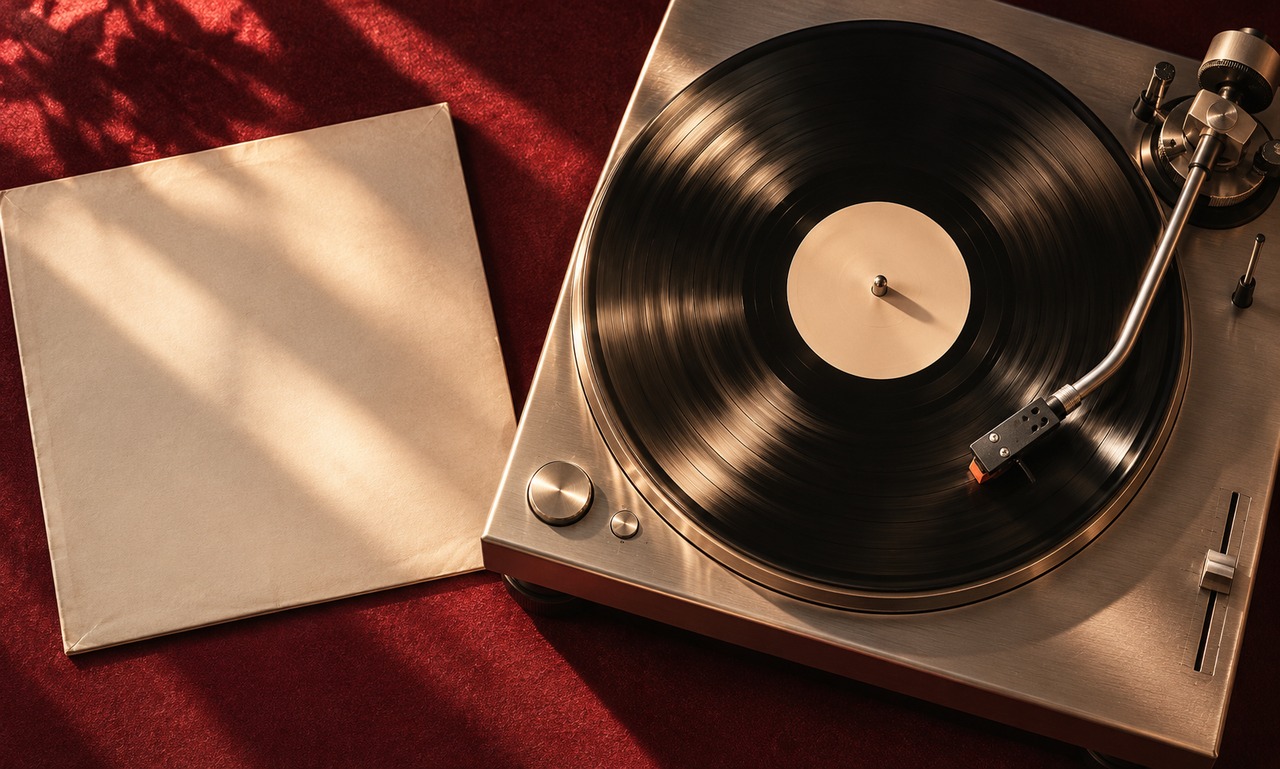
A playlist is a wonderful solution to a particular problem: wanting a mood without doing much work. It can carry a commute, soften a dinner party or make an hour at a desk feel less solitary. An album asks for a different bargain. It proposes that the next thing you hear should be chosen by someone else, including the song you would never have selected yourself.
That bargain can feel unnecessarily demanding when every track comes with an exit. Yet sequencing is one of the few artistic decisions a listener can erase without noticing. Put the delicate song first and it introduces a world. Put it after three noisy tracks and it might feel like the floor has disappeared. The recording has not changed. Its surroundings have changed what it can do.
The Library of Congress asks people nominating recordings to its National Recording Registry to explain their cultural, historical or aesthetic significance. That is a useful reminder that a recording can matter for reasons beyond immediate popularity. Our own listening does not need to imitate an archive, but it can borrow the willingness to ask what a work preserves, expresses or makes possible.
None of this requires pretending that every album is a flawless statement. There are filler tracks, awkward transitions and releases that work better as a handful of songs. Listening in sequence should be an experiment, not an obedience test. The point is to encounter the proposal before dismantling it. A disappointing middle section can tell you something about an artist's ambitions that a greatest-hits collection cannot.
Try the experiment with an album you already know in fragments. Let the first track establish its terms. Notice which sounds return and which vanish. Pay attention to the placement of the longest song, the quietest passage and the final line. If a transition is irritating, ask whether the irritation has a purpose. Sometimes it does. Sometimes you have simply found the weak point, which is also a legitimate discovery.
Listening this way also makes room for your opinion to develop at an inconvenient speed. A song that seems dull in isolation may be the hinge holding the record together. An obvious favorite may start to feel overexplained. Neither discovery requires an expert vocabulary. You can describe tension, boredom, relief or surprise without turning an evening with headphones into an examination in music theory.
The practical requirement is modest: choose a stretch of time long enough for the record and resist reorganizing it halfway through. You can still cook, walk or sit by the window. Concentration need not look like solemn reverence. It simply means allowing the work to continue before demanding that it optimize itself around your next impulse.
Afterward, make the playlist. Rescue the songs you love and abandon the ones you do not. The difference is that the choice now follows an encounter with the whole. Convenience has its place in music. So does the possibility that an artist has arranged a surprise you would never have put in your own queue.
Sources & further reading
Analysis by Inscriber Editors. This article was prepared with AI assistance and links to the source material used for factual context.