The ball attracts the camera, the commentary and nearly all our attention. That is reasonable: eventually someone has to put it through the basket. But watching only the ball can turn basketball into a sequence of isolated attempts. The more interesting story is often unfolding several steps away, where a player who never touches it changes the options available to everyone else.
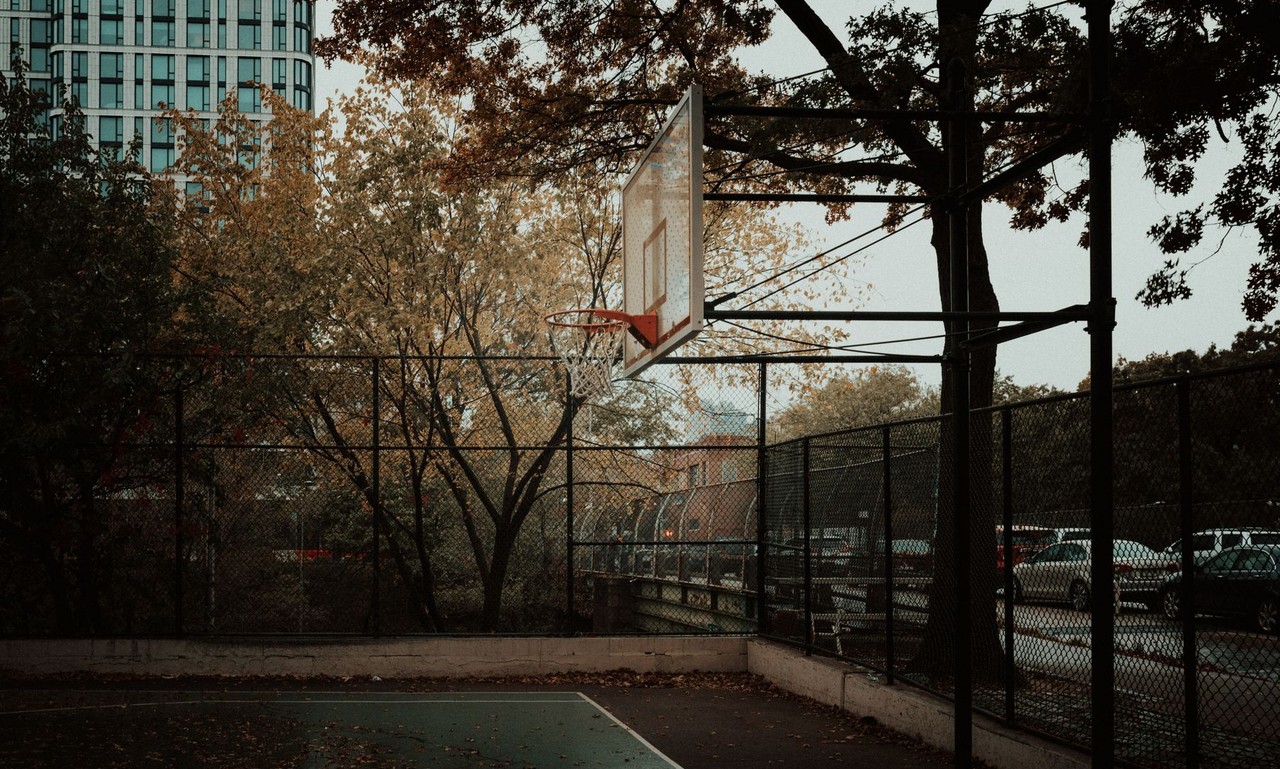
The court's geometry offers a starting point. The NBA's youth basketball explainer places the three-point line 23 feet, 9 inches from the basket, except in the corners, where it is 22 feet away. A corner is therefore a distinctive piece of territory. Its value is about both a possible shot and the defensive attention that a credible shooter can demand from that location.
Imagine a defender responsible for a shooter in the corner while an opponent drives toward the rim. Helping on the drive may leave the shooter open. Staying attached may leave a teammate alone against the ball. The possession becomes a question about which risk to accept. The resulting pass can look obvious on television, although the arrangement that made it available took several movements to create.
This does not mean every possession has an elegant mathematical solution. Players miss, stumble and make decisions under pressure. A theoretical advantage can disappear when a pass arrives late or a shooter catches the ball out of rhythm. That is precisely why the geometry is worth watching: it supplies a structure within which individual skill, anticipation and error still have room to matter.
Try following a single player away from the ball for a few possessions. Notice whether a defender stays close or drifts toward the action. Watch a screen before looking for the person who receives the pass. Pay attention to the moment a player relocates after giving the ball up. Suddenly the final attempt can appear less like a personal invention and more like the conclusion of a brief, collective argument.
This also complicates the familiar complaint that long-range shooting makes every team look the same. A shot chart can group attempts into similar locations while hiding the routes that produced them. A corner shot created by a drive, a screen or a quick reversal may occupy the same dot on a graphic. The experience of defending those actions, and the skills required to execute them, can be quite different.
There is still room to prefer a different style of play. Taste does not have to submit to an efficiency spreadsheet. Some viewers enjoy post work, some love movement, and others want the suspense of a difficult shot made against a well-positioned defender. Understanding space does not dictate which version you must enjoy. It gives you a more precise way to explain why a possession worked or felt repetitive.
The next made three will receive its applause. Before the replay moves on, look at the player standing elsewhere on the floor and the defender caught between responsibilities. The shot ends the sequence. The choice forced on that defender may be where the sequence was actually won.
Sources & further reading
Analysis by Inscriber Editors. This article was prepared with AI assistance and links to the source material used for factual context.